Photos

All photos on this blog, Wildlife on Wheels, are taken by me. If you want to use any of my photos for anything other than personal use, send me an email and we'll talk about it. The email address is listed in the sidebar on the right .

Save Dunmanus Bay

Showing posts with label Wildlife. Show all posts

Tuesday, September 27, 2011

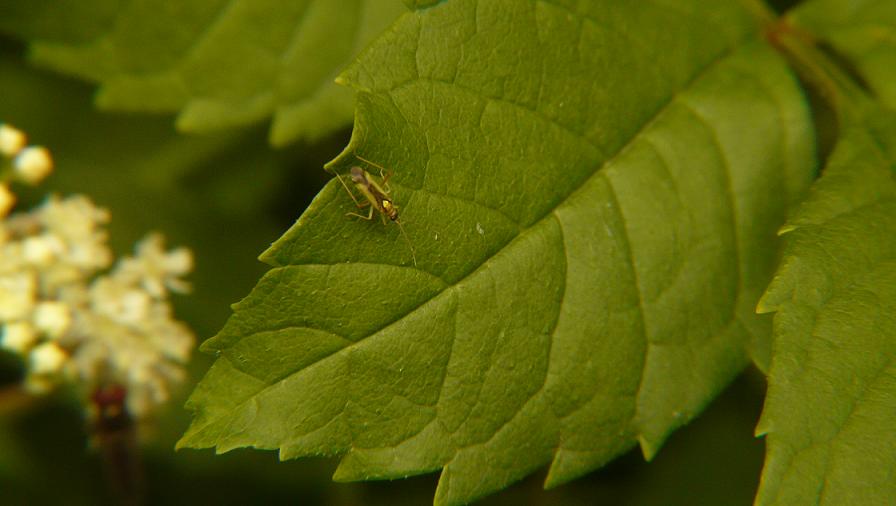
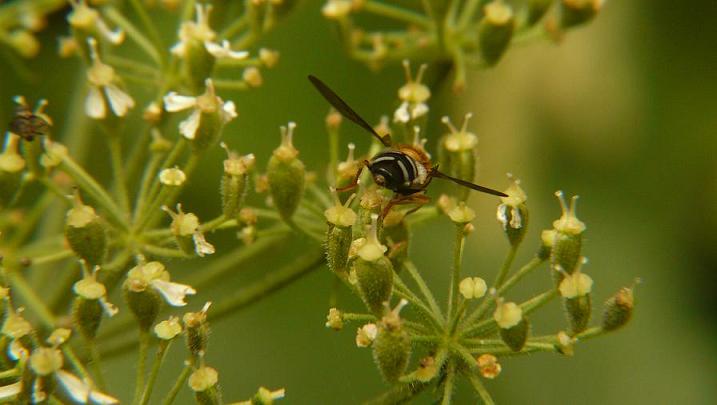
Unidentified specie: (please let me know if you can identify this fly for me by leaving a comment underneath the post.)


Blackberry. Rubus fruticosus


The groundcover of speedwell. Which specie it is I do not know yet. The height of the creeping stems is about 80-100mm. The flowers are between 6 and 8mm.


There are great crops of the berries everywhere. Well they will be in big demand as soon as the snow sets in. (did I hear it right, that this might start as early as next month?


Herb Robert, Geranium robertiatum


I have hardly seen any spiders in my garden, and I am afraid that many were killed by the severe winter we've had. To my surprise and delight, I spotted Garden Spiders everywhere along my route, without searching for their webs. So well done to them; that aspect on its own made my day


Spear Thistle, Cursium vulgare


In the distance is Mount. Gabriel, with the two radar domes on top. making sure that air traffic to and from the Americas don't bump into one another.


Crocosmia


Upright Hedge Parsley, Torillis japonica

Ragged Robin, Lychnis flos cuculi.

Most Ragged Robin flowers were well past their sell-by date, yet they were still very popular by all sorts of insects.
This hoverfly has lovely markings in very strange shapes, not at all like the ones I've seen before. So, if you know who or what it is, please leave a comment at the bottom.

Rhingia campetris


Just now, I came upon this website on hoverflies. Looks very interesting. I'll have a look in the morning because it is now 11pm.


A very late Common Honeysuckle, Lorica periclymenum


Greater Stitchwort, Stellaria holostea


And as you enter the village again, the Prickly Sow Thistle, sonchus asper, greets you again.

Grey Heron. Ardea cinerea

hooded Crow, Corvus cornix


Monday, January 17, 2011

Don't tell the children


In November 2010, I had wanted to take part in the Blogblast for Peace 2010.
Internet problems had me locked out for about a week. I had wanted to post a poem which I wrote six years ago.


Don’t tell the children

What we’ve done to our planet

Now bare and black.

Don’t tell the children

The valley was lush and green

Insects buzzing, and

Wild Flowers growing in the fields,

Burn those pictures

Of Dolphins, Tigers, Birds and Otters.

So they cannot be missed.

Throw away your old fishing rod

The rivers are empty and dark

Never let them know

How we loved fluffy, furry pets

Robots are not the same.

They will never want to fly

No birds to inspire,

No sense of freedom in the air.

No more forest walks, nor trips down to the seaside.

The Woods are poisoned, the beach eroded

the sea polluted and burns the skin.

They won’t get to know the joy of childbirth

Intimacy is non-existent

In cloning the perfect child.

Let them live in innocence

Of how the world was once

Before we took control.


by Yoke Daams.

2004.

Friday, July 30, 2010

Garden Ants: Nuptial Flight of the females

Female Garden Ant, Larus niger trying uot her wings to fly for her first and only nuptial flight.
Only the females in the colony will fly out.


here you can see the size difference between an ordinary worker in the colony and female members of the Ant society. Females will grow wings, mate and set up new colonies. Not all of these will be succesful though. The new queens will become major egg-laying machines, so to speak; hence the large body. After mating, she wil store enough sperm for the rest of her life. Being able to lay millions, if not more, eggs to help guarantee the future of this successful specie.
An interesting fact: The global Ant population weigh as much as the human population does.!

They time their nuptial flight to just the right temperature, time of year (usually late july or early August) and level of humidity too, perhaps? That it needs to be dry speaks for itself, as they had trouble enough already, it seemed.

After about 3 weeks of wet weather where we had either showers or lashing rain, with dry intervals now and then. The wind had been strong during most of this year's summer too, keeping me from rides on the road for a lot of these months.
Last Monday, there was a change in the weather. It was close, no breeze at all, and I had a peculiar feeling all day. Then at about 5pm, Nina (our cat) went through the kitchen door, going outside for a quick wee before tea. As she went out, I saw a flutter of winged Insects flying up from what I assumed was the path under her feet. They all fluttered up into the air. Flying up was too big a word for the way they went, up.
As I sat in the doorway, i spotted these female Ants pushing themselves out of the lock of the door. They had wings alright, but that did not mean that they were able to fly yet! Winthin a few minutes, I was covered in very large Ants, flapping the wings; unsure what to do with these.
They walked up the door frame, thinking that height would help them in take off. Soon, most fell off!


Just outside of the door, tiny Spiders were waiting in anguish; they must have recognised the time in summer, and were waiting for the unlucky ones, whose legs would let go too early.

You cannot see much here, but look at the two white eyes of the Spider, as it takes a look who has offered itself to be his/her next meal.
They had a field day! Probably for days/week9s?) on end. They weer tiny in comparison to the Ant. Unfortunately, it was too windy for sharp images; they kept swinging from end to end.


Here the Spider is wrapping its catch laboriously.

Saturday, July 24, 2010

Insects plus a Leucistic Ladybird in Wild Angelica, Angelica sylvestrus

If you know any of these specie identities, let me know please.
If


This Ladybird looks very pale, and was about 50-80mm long.


This Insect is a mystery to me too. I've seen it in the garden also.


Wild Angelica, Angelica sylvestrus,


The Groundsel, Senecio vulgaris, provides pollen and nectar for many hungry species.


This lovely Wild Flower is new to me; its beautiful little white flowers were filling large blocks along the road, with the pink of Herb Robert, Geranium robertium, growing among them.


LichenCaloplaca thallincola


Meadowsweet, Filipendula ulmaria


Crocusmia, Crocusmia crocusmiflora
The sight of these made me think suddenly that August and September are almost here. Crocusmia is one of those flowers which adorn our roads in late summer; to be followed soon with Fuchsia, Fuchia magellanica